Online 3D Mockup Editor vs Static Templates: Which Workflow Is Better?
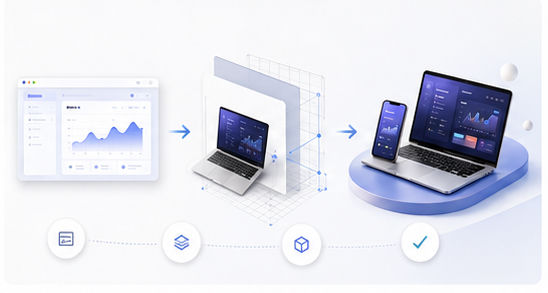
Mockup templates have been popular for years. They can create beautiful results, but they often require design software, smart object editing, large source files, and manual adjustments. An online 3D mockup editor offers a different workflow: upload a screenshot, adjust the scene in the browser, and export a finished image faster. The best choice depends on your needs, but for many teams, speed and repeatability matter more than template complexity.
Where static templates work well
Static templates can be useful when you need a very specific art direction or a highly customized composition. A designer can fine-tune every layer, shadow, mask, and texture. For major campaigns with a long production timeline, this level of control can be valuable.
The downside is friction. Templates can be slow to update, especially when you need many variations for different platforms or when your product UI changes frequently.
Where online mockup editors are stronger
An online editor is usually better for fast product marketing. It lets founders, marketers, and creators produce assets without opening complex source files. This is useful for launch posts, blog covers, feature updates, social content, pitch decks, and landing page experiments.
With the Animock editor, you can create 3D mockups directly in the browser. This makes the workflow easier to repeat whenever you need a new visual.
Speed and iteration
Product marketing changes quickly. A feature name may change, a screenshot may need to be updated, or a launch page may need a new hero image. In a template-based workflow, each change can require reopening files and re-exporting assets manually. In an online workflow, the update cycle is shorter.
This faster iteration can improve content quality because teams are more willing to test different visuals instead of settling for the first version.
Consistency across channels
Consistency is easier when your workflow is repeatable. If every blog cover, social post, and launch image uses a similar mockup style, the brand becomes more recognizable. Online editors are helpful because they make it easy to recreate similar scenes with new screenshots.
For SEO content, this consistency makes your article library feel more intentional. Readers are more likely to trust a site that looks organized and professionally maintained.
Which workflow should you choose?
Choose static templates when you need deep custom design control and have the time to manage the files. Choose an online 3D mockup editor when you need speed, repeatability, and accessible production for a small team.
Want to try the faster workflow? Use the Animock online editor to create a 3D mockup without managing static template files.
For modern product teams, the best mockup workflow is the one that helps you publish better visuals more often.